
Understanding Retinal Circuit Basis of Vision & Visual Disorders


Research
Approach
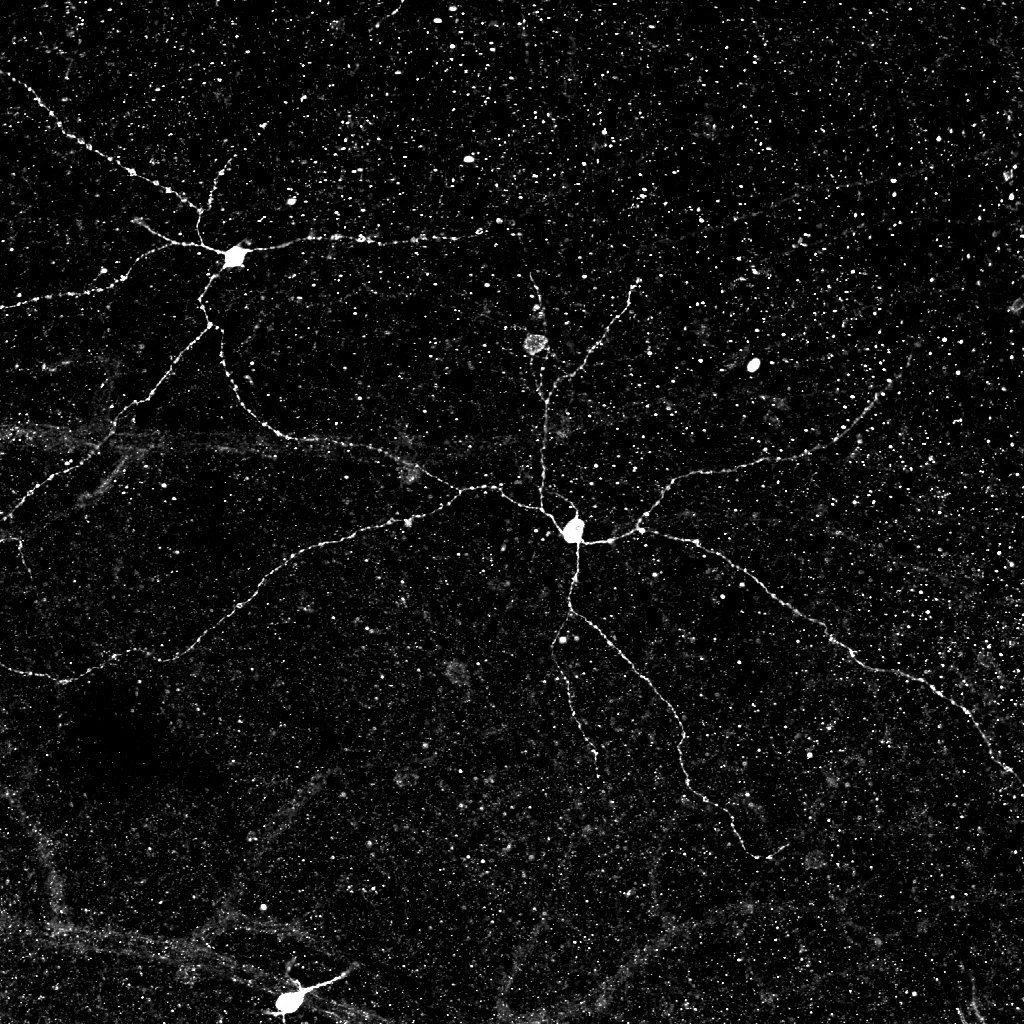
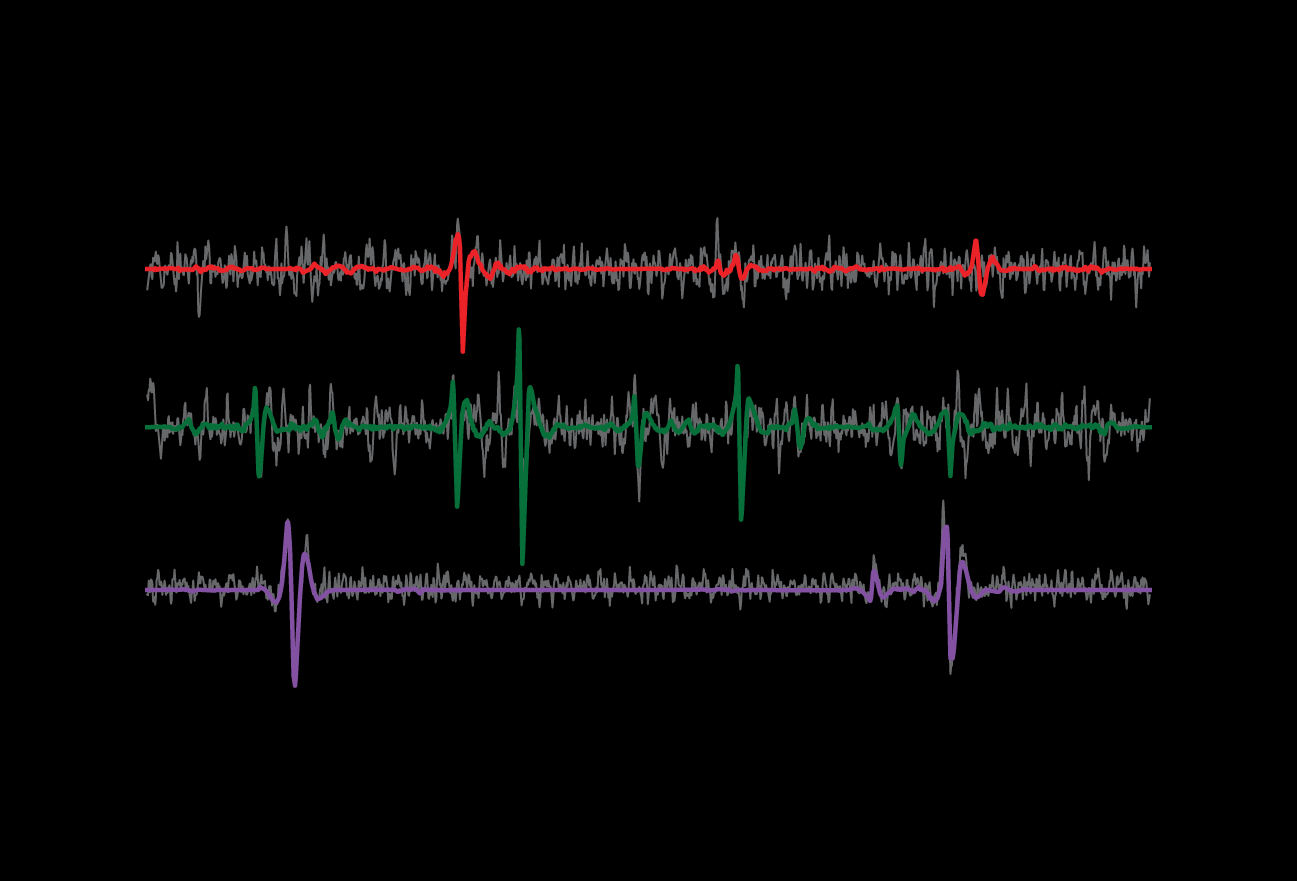
Electrophysiology
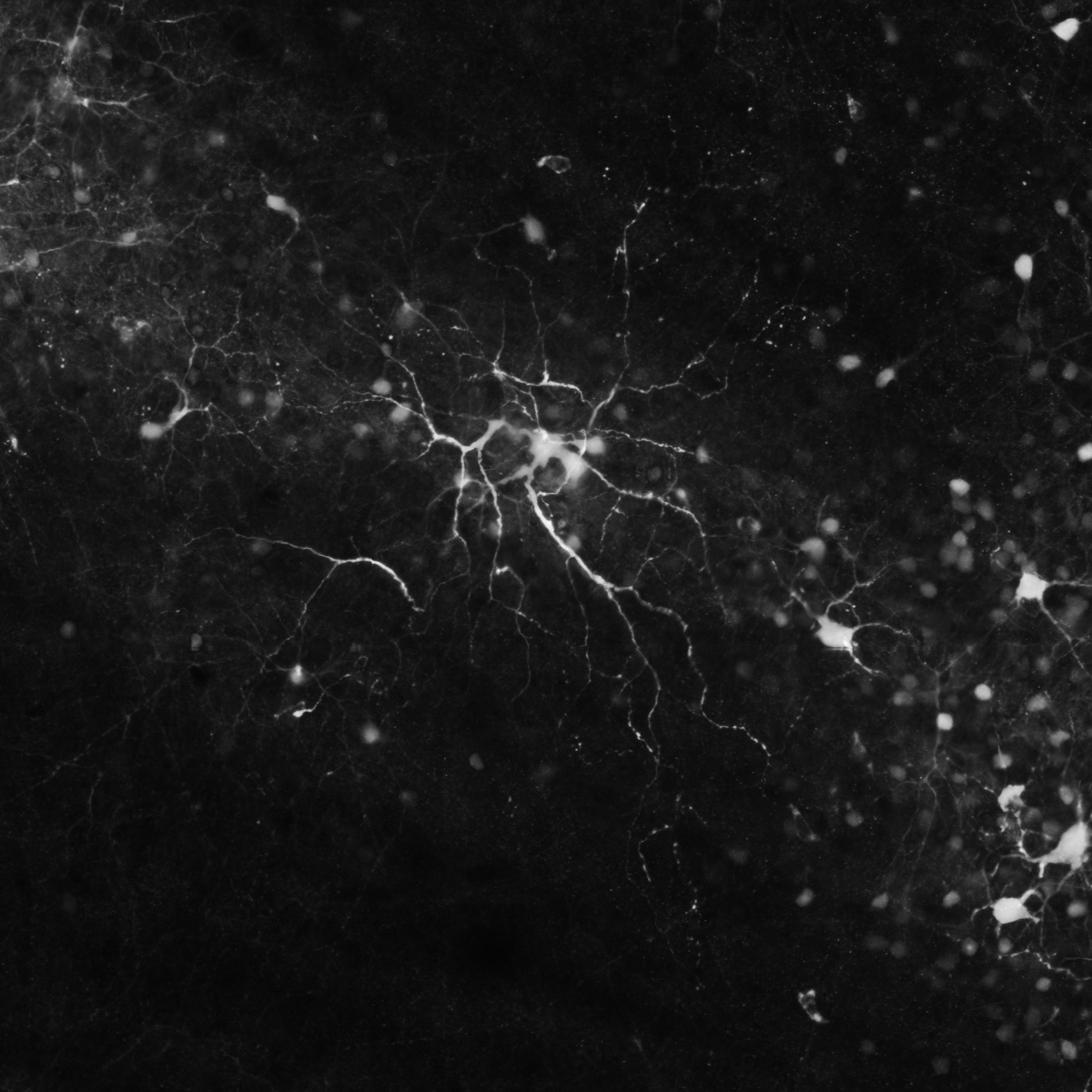
Genetics/Viral Vectors
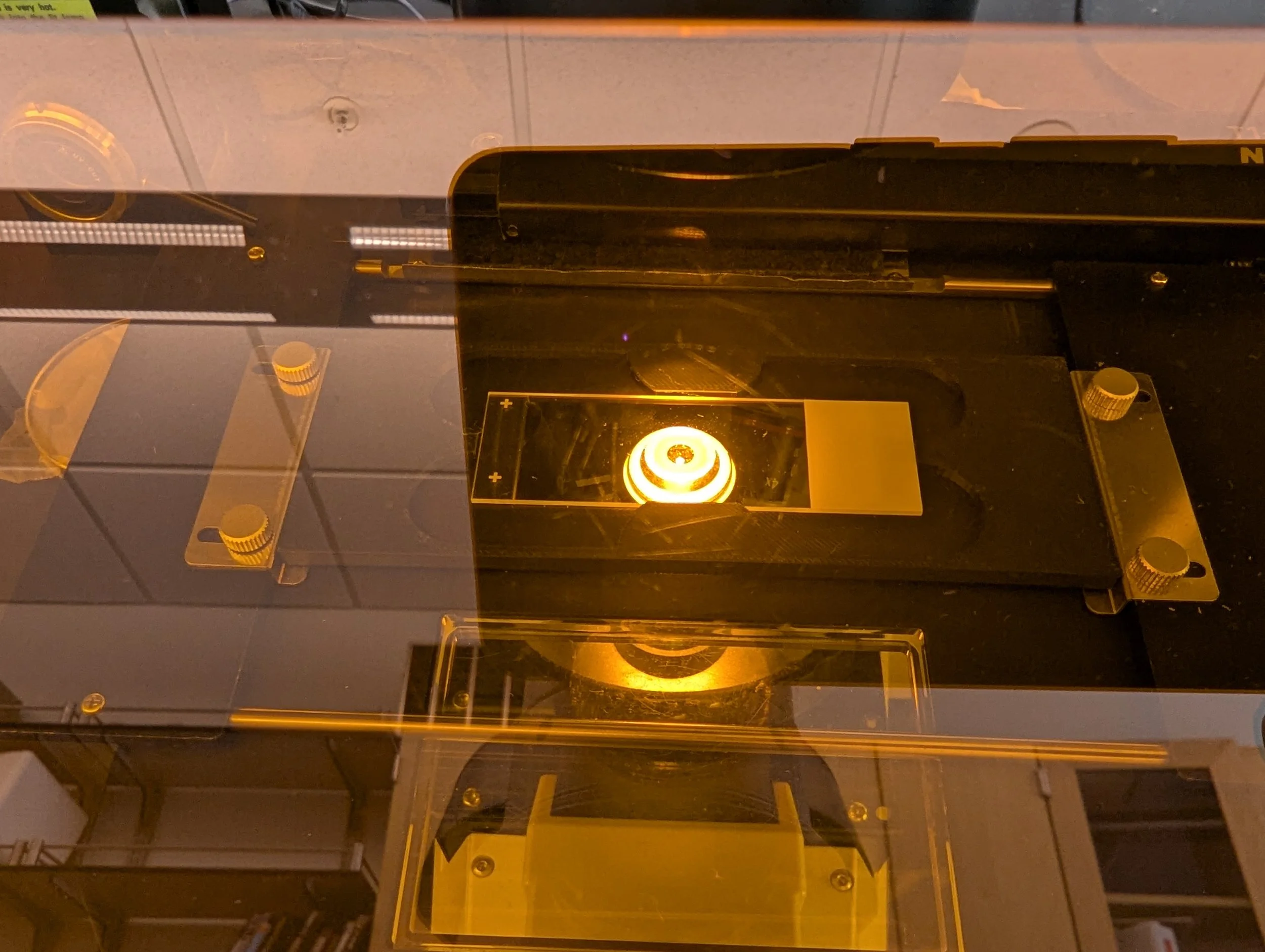
Imaging
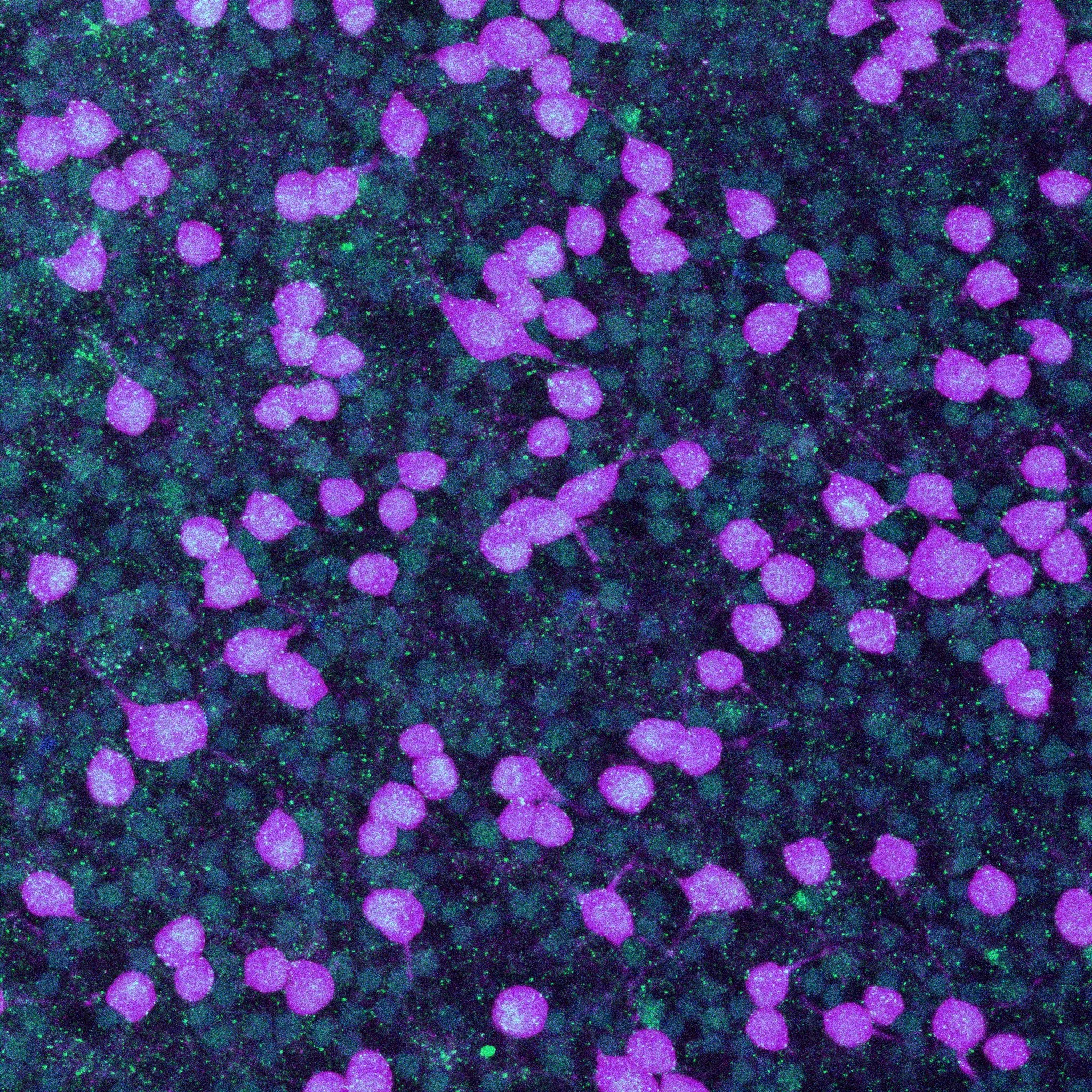
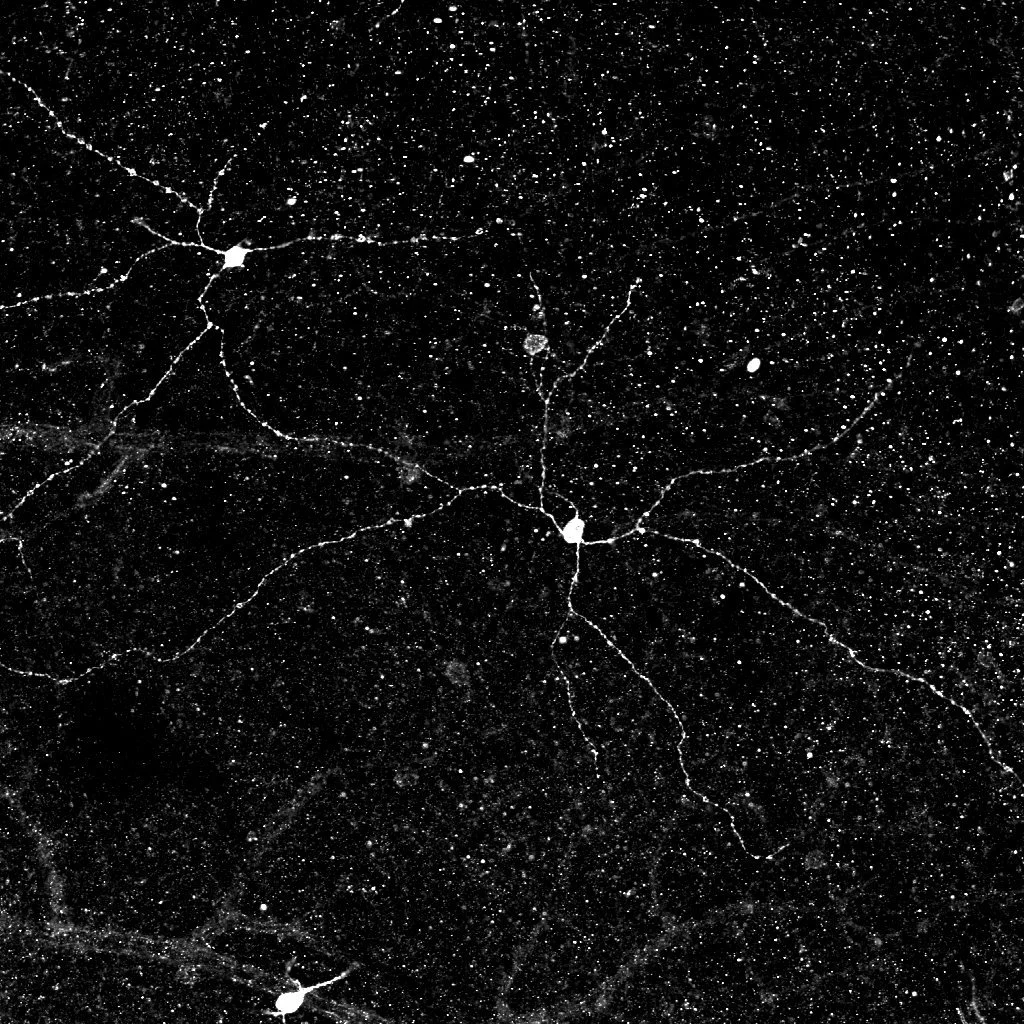
Molecular Profiling
Core values
We study the role of the retina in vision. Under this umbrella, we actively pursue a range of projects, spanning retinal development, connectivity, computation, and degeneration. The problems we tackle in the lab demand creativity, technical innovation, and interdisciplinary thinking. We use novel approaches in viral tracing, electrophysiology, transcriptomics, computational modeling, and molecular assays to answer these questions.
We believe the best science emerges in an environment where individuals feel supported, respected, and encouraged to pursue new ideas. We seek people who bring diverse perspectives, from biology and physics to computer science, engineering, and clinical ophthalmology. Retinal neuroscience depends on and benefits from these multiple viewpoints. We expect members to learn from each other and contribute across projects. We are committed to building a lab culture in which every member plays an active role in shaping projects, developing ideas, and taking ownership of their scientific contributions.
Science is challenging but fun
We believe that science should be challenging, meaningful, and genuinely fun. Discovery often comes with setbacks, and failure is an inevitable part of the process. But these moments can sometimes be the most rewarding, offering new perspectives and deeper ways of thinking. While expectations in the lab will be high and the work can be demanding, remember that you are here first and foremost to learn. Your professional growth and development are our priority. The lab is a place where people want to be: a space for curiosity, mutual support, and shared enthusiasm for science. We encourage a collaborative atmosphere in which people feel comfortable exchanging ideas, troubleshooting together, and learning from one another.

We welcome motivated individuals at all stages of scientific career. Opportunities are available for undergraduate students, graduate students, and postdoctoral researchers to contribute to cutting-edge research on retinal circuits and retinal diseases. In our lab, you will gain experience with techniques in electrophysiology, imaging, computational modeling, and molecular biology, while working in a collaborative and supportive environment.
If you are curious, creative, independent, and excited to tackle questions in vision science, we encourage you to reach out and explore joining our team.